
Modern Approaches To Environmental Safety
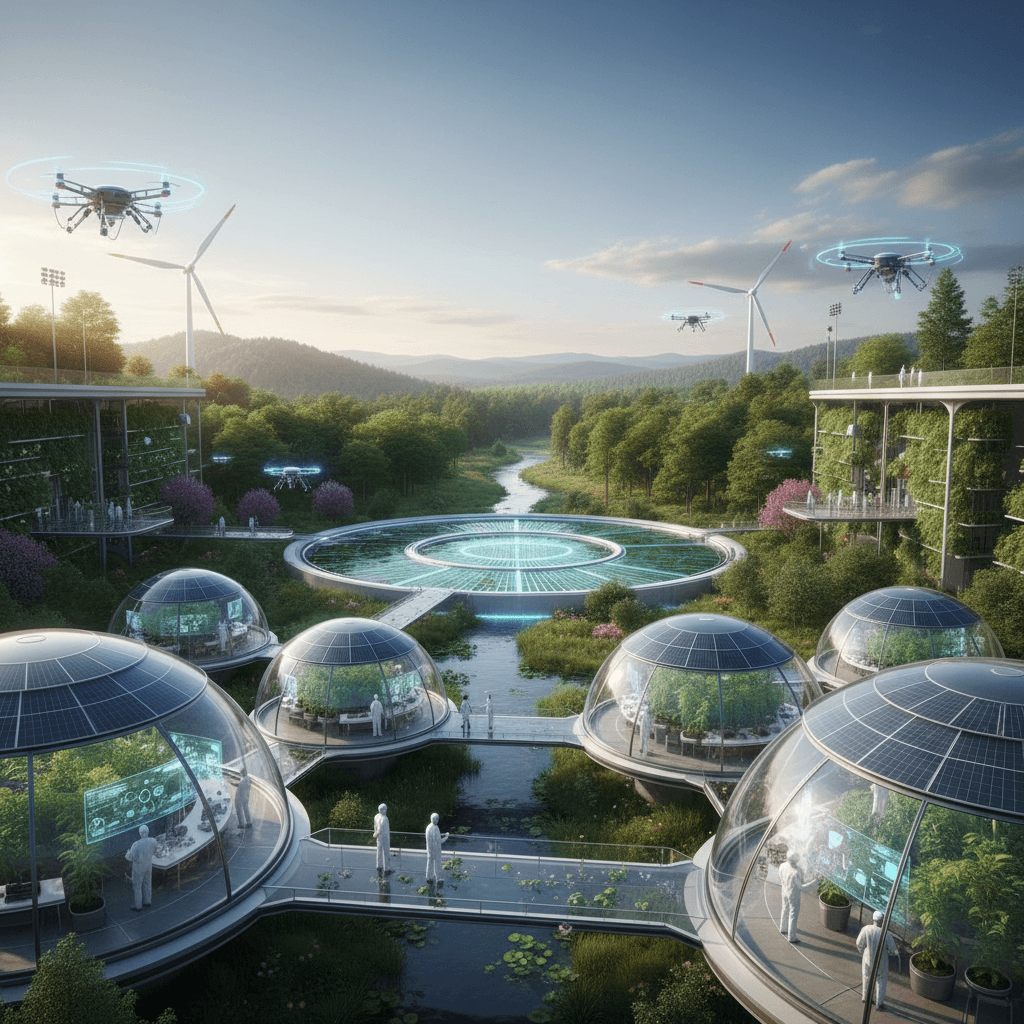
The world around us changes at a rapid pace and with it, the challenges we face in maintaining a safe and healthy environment. Old methods of dealing with pollution or ecological concerns often fall short in today’s complex landscape. This is why I believe modern approaches to environmental safety are not just beneficial but absolutely necessary.
I have seen how industries and communities struggle with new environmental hazards. These threats range from microscopic contaminants in our water to large-scale climate shifts. Understanding these dynamic issues requires a fresh perspective and innovative tools.
My work involves looking at how we can better organize our efforts and leverage smart solutions. We must adapt our strategies to protect both human health and natural ecosystems for the long term. This means moving beyond traditional fixes and embracing new ways of thinking and doing.
Understanding Evolving Environmental Risks
I have learned that environmental risks are not static. They constantly change with industrial advancements and population growth. For instance, new chemical compounds enter our waste streams regularly, and they require different treatment methods than older pollutants.
We see microplastics in our oceans and even in our food, a problem that did not exist a few decades ago. Addressing these issues demands scientific research and agile responses. The old “out of sight, out of mind” attitude simply cannot work when contaminants persist for centuries.
Climate change presents another layer of complexity. Extreme weather events, rising sea levels, and shifting agricultural zones create new safety challenges. My observations show that we must consider these broader impacts when planning for community and industrial safety. Ignoring these bigger pictures means we will always be behind the curve.
Emerging Pollutants and Their Impact
One area I watch closely is the emergence of new pollutants. These include chemicals from pharmaceuticals and personal care products. They enter our water systems and we do not fully understand their long-term effects on health and wildlife yet. This lack of complete understanding makes their management a significant safety concern for us all.
Per- and polyfluoroalkyl substances, known as PFAS, are another example. These “forever chemicals” resist breakdown and accumulate in the environment and our bodies. I recognize that traditional water treatment plants often cannot remove them effectively. This creates a need for advanced filtration systems and new regulatory frameworks to protect public safety.
Complex Ecosystem Vulnerabilities
Our ecosystems face increasing pressure from human activity. Deforestation, habitat loss, and species extinction contribute to a less resilient natural world. When an ecosystem becomes weaker, its ability to filter water or regulate local climate diminishes. This directly impacts environmental safety for people.
I see how these vulnerabilities can lead to more frequent disease outbreaks or unexpected shifts in agricultural productivity. We need holistic approaches that consider the entire web of life. Protecting these complex systems is fundamental to our own well-being and safety.
Leveraging Technology for Enhanced Monitoring
Technology offers powerful solutions to many environmental safety challenges. I have seen how modern tools transform our ability to monitor conditions and predict potential problems. We can now gather more data faster and with greater accuracy than ever before.
This allows us to make informed decisions and respond quickly when issues arise. For example, sensors can detect leaks in pipelines or measure air quality in real-time. This proactive monitoring helps prevent major environmental incidents.
Data analytics play a crucial role. By analyzing large datasets, we can identify patterns and anticipate environmental trends. This helps communities prepare for natural disasters or develop better waste management strategies. Technology is indeed a key to better environmental success.
Smart Sensor Networks
I believe that smart sensor networks are revolutionizing environmental monitoring. These networks use small, connected devices to collect data on various environmental parameters. This includes air quality, water purity, soil composition, and even noise levels.
For example, sensors deployed near industrial facilities can continuously monitor for specific pollutants. If levels exceed safe thresholds, alarms trigger automatically, allowing for immediate intervention. This type of real-time monitoring means that we can address problems before they become widespread and harmful. It helps ensure consistent modern approaches to environmental safety.
Predictive Analytics in Environmental Management
Predictive analytics takes environmental management to a new level. I use these tools to forecast future environmental conditions based on historical data and current trends. This helps us anticipate risks and plan preventative measures.
For instance, by analyzing weather patterns, pollution levels, and public health data, we can predict periods of poor air quality. This allows health authorities to issue warnings and advise vulnerable populations to take precautions. Similarly, predictive models can help optimize water usage or forecast the spread of invasive species. This proactive approach saves resources and protects communities.
Sustainable Practices in Industry and Community
Adopting sustainable practices is a core part of modern approaches to environmental safety. I focus on helping industries and communities integrate eco-friendly methods into their daily operations. This is not just about compliance but also about long-term economic and environmental health.
Many businesses are finding that going green actually reduces operational costs and improves public image. For example, implementing energy-efficient systems cuts utility bills and lowers carbon footprints. This creates a win-win situation for everyone involved.
On a community level, sustainable waste management reduces landfill waste and minimizes pollution. Recycling programs and composting initiatives turn waste into resources. These efforts show a commitment to a healthier future.
Waste Reduction and Circular Economy Models
I advocate for waste reduction and circular economy models. Instead of the traditional linear model of “take, make, dispose,” a circular economy aims to keep resources in use for as long as possible. This means designing products for durability, reuse, and recycling.
Companies can redesign their packaging to use less material or use recycled content. Consumers can support brands that prioritize product longevity and repairability. This shift significantly reduces the environmental impact of production and consumption. It helps reduce overall waste and pollution effectively.
Consider the problem of pest infestations. Pests can cause significant environmental and health issues in communities. Modern approaches to managing these pests often involve integrated pest management, which prioritizes non-chemical solutions and targeted treatments to minimize environmental harm. If you want to learn more about pest control companies that use environmentally friendly methods, you can find valuable information online. These methods protect both people and the wider ecosystem.
Green Infrastructure and Urban Planning
Green infrastructure is another vital component of modern environmental safety. This involves using natural systems to provide environmental benefits within urban areas. Examples include green roofs, permeable pavements, and urban parks.
I have seen how green roofs help manage stormwater runoff, reducing the burden on drainage systems and preventing localized flooding. Urban trees improve air quality and provide cooling shade, which combats the urban heat island effect. Thoughtful urban planning integrates these elements to create more resilient and healthier cities. It transforms concrete jungles into more livable and environmentally sound places.
The Role of Digital Transformation in Environmental Governance
Digital transformation is fundamentally changing how environmental governance operates. I see governments and regulatory bodies using digital tools to streamline processes and enhance accountability. This shift improves efficiency and transparency in environmental policy implementation.
For example, online platforms now allow for easier submission and tracking of environmental permits. This reduces paperwork and speeds up approval times. It also makes the entire process more accessible to businesses and individuals, so promoting compliance becomes simpler.
Furthermore, digital systems help in better enforcement. Regulators can use data from monitoring stations to identify non-compliance quickly. This allows for targeted inspections and corrective actions. It removes guesswork and makes enforcement more effective.
Geographic Information Systems for Planning
Geographic Information Systems, or GIS, are powerful tools in environmental planning and safety. I use GIS to create detailed maps that combine various layers of environmental data. This includes pollution levels, biodiversity hotspots, land use, and demographic information.
GIS helps planners identify areas at high risk from environmental hazards. It also assists in siting new developments or protected areas. For example, a city might use GIS to map flood zones and plan for appropriate emergency responses or infrastructure improvements. This visual data makes complex environmental information easy to understand and use.
Automated Compliance and Reporting
Automated systems are becoming essential for environmental compliance and reporting. I observe how these systems reduce the manual effort and potential for error in regulatory processes. They help organizations stay on top of their environmental obligations.
Software can automatically collect data from sensors and generate compliance reports. It can alert managers to impending deadlines or regulatory changes. This ensures that businesses meet environmental standards consistently. It frees up staff to focus on more strategic environmental initiatives, ultimately improving overall safety performance.
Educational Initiatives and Public Engagement
I firmly believe that education and public engagement are indispensable elements of modern approaches to environmental safety. Technical solutions alone cannot solve our environmental problems. We need informed individuals who understand the issues and are willing to act.
Educational programs, from schools to community workshops, build environmental literacy. They teach people about sustainable living, conservation, and local environmental concerns. An educated public is more likely to adopt eco-friendly behaviors and support sound environmental policies.
Public engagement means involving citizens in environmental decision-making and monitoring. This can take many forms, from volunteer clean-up drives to citizen science projects. When people feel a sense of ownership over their local environment, they become powerful advocates for its protection.
Promoting Environmental Literacy
Promoting environmental literacy starts early. I think that integrating environmental education into school curricula prepares the next generation to be responsible stewards of the planet. This includes teaching about climate change, biodiversity, and the importance of resource conservation.
Beyond formal education, public awareness campaigns play a significant role. These campaigns use various media to inform adults about pressing environmental issues and simple actions they can take. When people understand the “why” behind environmental efforts, they are more motivated to participate. They see the direct benefits to their health and community.
Citizen Science and Community Monitoring
Citizen science projects empower ordinary people to contribute to scientific research and environmental monitoring. I have seen how these initiatives collect valuable data that professional scientists might not have the resources to gather. Volunteers can monitor water quality in local streams or track bird populations.
This hands-on participation not only provides useful data but also deepens public understanding and connection to environmental issues. It builds a sense of community responsibility. When communities actively monitor their environment, they become crucial partners in ensuring environmental safety for everyone.
Conclusion: Embracing a Safer, Greener Future
I have discussed many modern approaches to environmental safety. These strategies are not just about protecting nature, but they are also about safeguarding human well-being and ensuring a prosperous future. We must move forward by embracing evolving risks with dynamic solutions and using technology as a powerful ally. From smart sensors that monitor our air and water to predictive analytics that forecast environmental shifts, these innovations offer us unprecedented capabilities. We need sustainable practices in our industries and communities, emphasizing waste reduction and green infrastructure. Digital transformation in governance improves efficiency and transparency, allowing for better planning and enforcement. Most importantly, I believe education and public engagement remain cornerstones of success, fostering a collective responsibility towards our planet. By combining scientific understanding, technological innovation, and widespread participation, we can build a safer and greener world. I encourage every individual and organization to consider how they can contribute to these essential modern approaches to environmental safety.