
Common Component Issues
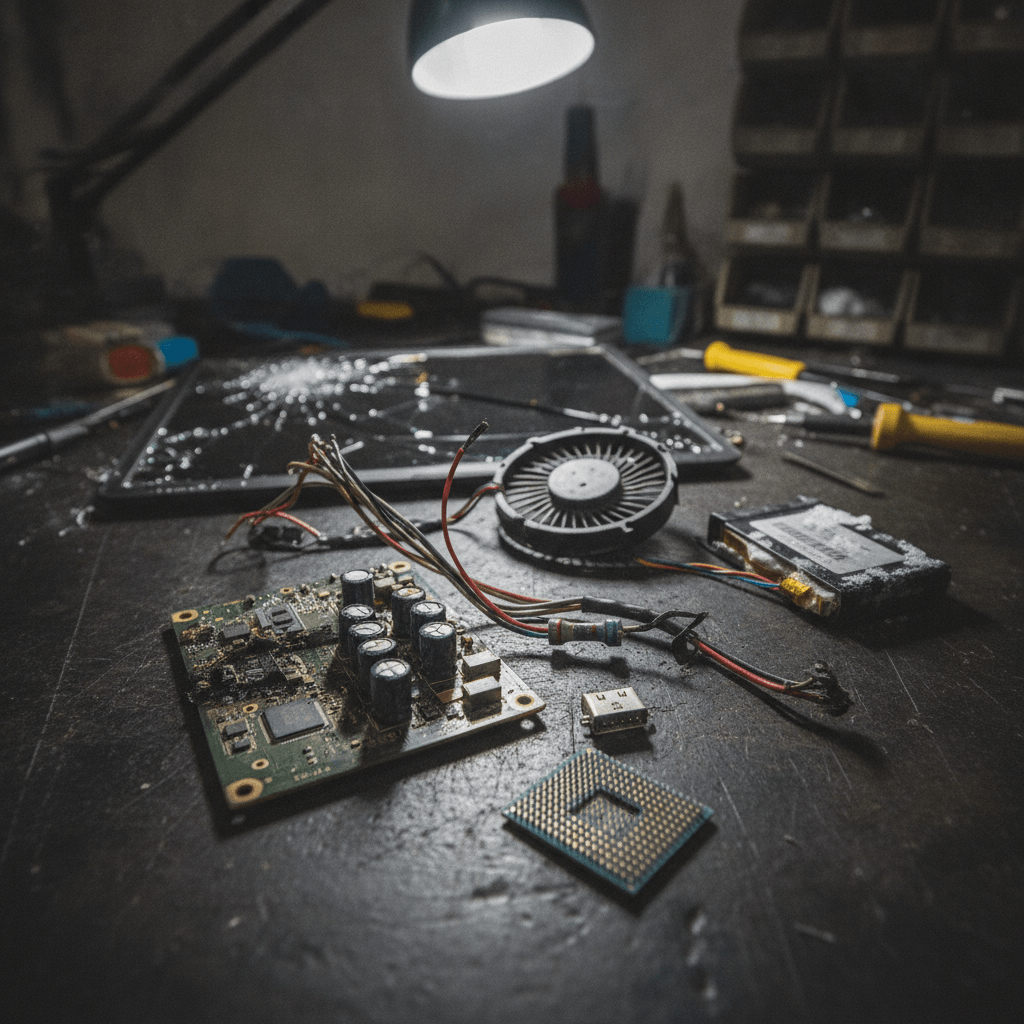
Every system, whether it is a complex industrial machine or a simple home appliance, relies on many small parts working together. When one of these parts malfunctions, it can throw the entire system out of whack. I have seen this happen countless times across different types of equipment.
Understanding these common component issues is important for anyone who wants to keep their systems running smoothly. Being prepared and knowing what to look for can save you time and money. It can also prevent bigger problems from happening in the first place.
From your computer to your car to your home’s heating and cooling system, components fail for many reasons. We will look at these issues today and discuss why they happen. We will also learn what we can do to avoid them.
Understanding Common Component Issues
I have learned that many problems with technology and machinery come down to common component issues. These are not always complex failures. Often, they are simple problems with a single part that affects the whole. A faulty sensor can stop an entire production line. A worn-out fan motor can overheat a computer.
The core idea here is that all systems are interconnected. Each component plays a specific role. When one piece fails to do its job, the domino effect can quickly follow. This is why paying attention to the small details often prevents major breakdowns.
Thinking about a home, the heating and air conditioning system is a great example. Many components work in harmony to keep your home comfortable. The thermostat, compressor, fan, and coils all must function correctly. If any one of them develops an issue, the entire system suffers.
Identifying these problems early is key. We often notice a strange noise or a drop in performance. These are usually early warning signs that a component is starting to fail. Waiting too long to address these small issues can lead to more expensive repairs or even complete system replacement.
The Ripple Effect of Small Failures
A small failure can cause a ripple effect. For instance, a tiny crack in a circuit board can lead to intermittent power. This might damage other connected components over time. I have seen this many times in various electronics.
A simple leak in a refrigerator’s cooling lines might seem minor. But it causes the compressor to work harder. This uses more energy and shortens the compressor’s life. This is a common scenario.
Recognizing Early Warning Signs
Paying attention to odd sounds or smells helps. Unusual vibrations or changes in how a machine operates also indicate trouble. These are not just annoyances. They are calls for attention. Addressing these signs early helps. It prevents small issues from growing into big problems.
Electrical System Failures in Home Appliances
Electrical component issues are very common in residential settings. They impact everything from refrigerators to washing machines. I have seen many cases where a simple electrical fault caused a major headache for homeowners. These failures often stem from a few key problems that we can sometimes prevent.
One primary culprit is voltage fluctuations. Power surges or drops can stress electrical components. This causes them to burn out prematurely. Old wiring in a home can make this problem worse. It cannot handle the demands of modern appliances. Regular checks on your home’s electrical system are always a good idea.
Another common issue involves faulty wiring within the appliances themselves. Loose connections or frayed wires can create resistance. This generates heat and damages internal circuits. Sometimes, simple wear and tear causes this. Other times, it happens because of poor manufacturing. We need to be careful with older appliances.
Additionally, electrical components like capacitors and relays wear out over time. They are designed for a certain number of cycles or a specific lifespan. When they fail, the appliance often stops working entirely. For example, a bad capacitor in an air conditioner can prevent the unit from starting. This is a frequent service call we get. Knowing the common AC repair issues homeowners face can really help you troubleshoot problems before calling a professional. My friends at Berkeys talk about this a lot.
Signs of Electrical Problems
Look for flickering lights or circuit breakers that trip often. These are clear signs of electrical issues. Strange burning smells from an appliance also mean trouble. These smells often point to overheating wires. It is important to address these quickly.
If an appliance unexpectedly shuts down or fails to turn on, check its power. Test the outlet and the cord. Sometimes the issue is external. Other times it is a sign of internal electrical damage.
Mechanical Wear and Tear on Key Parts
Mechanical components face a constant battle against friction and fatigue. This kind of wear and tear is an unavoidable part of any moving system. I have spent years observing how these parts degrade. Understanding this process helps us anticipate and prevent breakdowns.
Bearings, gears, and belts are prime examples of components that experience mechanical wear. Bearings allow parts to rotate smoothly. But they can corrode or lose lubrication. This leads to increased friction and noise. Eventually, the part seizes up completely. This often stops the machine.
Gears transmit power and change rotational speed. Over time, their teeth can chip or wear down. This reduces their ability to mesh properly. You might hear grinding noises or feel a loss of power. It indicates that the gears are failing. Replacing them quickly prevents further damage.
Belts are crucial for transferring power between different parts. They can stretch, crack, or break. This happens due to age, heat exposure, or constant tension. A slipping belt can reduce efficiency. A broken belt will halt the machine. This is a very common issue in many types of equipment.
Preventing these issues often comes down to regular inspection and lubrication. I always recommend checking for visible signs of wear. Also follow the manufacturer’s maintenance schedule. Replacing worn parts before they fail saves money. It prevents unexpected downtime.
Impact of Lubrication on Longevity
Proper lubrication greatly extends component life. It reduces friction and dissipates heat. Without it, metal parts grind against each other. This causes rapid wear. Always use the right lubricant. Apply it at recommended intervals. This is a simple but powerful maintenance step.
Identifying Component Fatigue
Component fatigue can show up as small cracks or deformities. These are not always obvious. Vibrations and unusual noises might be the only clues. These tiny imperfections can grow over time. They eventually lead to a complete structural failure. Early detection is very important.
Software Glitches and Digital Device Problems
In our increasingly digital world, common component issues are not just about physical hardware. Software glitches and digital device problems are also a major source of frustration. I have seen firsthand how a seemingly minor bug can cripple an entire operation or render a device useless.
One frequent problem is corrupted software. This can happen during updates, power outages, or because of malware. When critical system files become damaged, the device might crash. It might also behave erratically. Reinstalling the software or restoring from a backup can sometimes fix this. But sometimes the damage runs deeper.
Compatibility issues also cause many problems. New software might not work well with older hardware. An updated operating system might cause conflicts with certain applications. These situations lead to slowdowns or crashes. Developers try to avoid this but it still happens. It needs careful attention and testing.
Overheating is another digital device problem. While it is a hardware issue, software often plays a role. Running too many demanding applications can push a processor too hard. This generates excess heat. If the cooling system cannot keep up, the device slows down. It might also shut down. I always advise people to monitor their device’s temperature when running intensive tasks.
Firmware updates are also important. Firmware is the low-level software that controls hardware. Outdated firmware can lead to performance issues or security vulnerabilities. We need to make sure to install these updates when available. It helps keep devices secure and stable.
Dealing with Corrupted Files
Corrupted files can often be fixed with system repair tools. Sometimes a clean reinstall of the affected software is necessary. Regular data backups prevent data loss. This is a critical step for all digital users. I always emphasize this point.
Managing Overheating Risks
Ensuring good airflow around devices helps prevent overheating. Cleaning dust from vents is also vital. Consider using cooling pads for laptops. These simple steps protect your devices. They extend their lifespan greatly.
Environmental Factors Impacting Components
Components do not exist in a vacuum. Environmental factors can significantly impact their performance and longevity. I have seen many instances where environmental stresses led to unexpected failures. Understanding these external influences helps us protect our equipment better.
Extreme temperatures are a major enemy of electronic and mechanical components. High heat can cause circuits to degrade. It can also dry out lubricants and warp metal parts. Cold temperatures can make materials brittle. They also thicken oils. This affects moving parts. Maintaining a stable operating temperature is very important for many systems.
Moisture and humidity are also destructive. They can lead to corrosion in metal components. Electrical shorts can happen too. Devices in damp environments like basements or outdoor settings are especially vulnerable. I recommend using dehumidifiers or protective enclosures in these areas. It shields components from moisture damage.
Dust and debris are common problems, especially in industrial settings or homes with pets. Dust can accumulate on circuit boards. It can block cooling vents. This causes overheating. A buildup of grime on moving parts increases friction. It leads to premature wear. Regular cleaning schedules are essential for preventing these issues. They keep your systems running efficiently.
Vibrations and physical shock can also damage components. Constant shaking can loosen connections. It can cause internal damage to sensitive electronics. Proper mounting and shock absorption materials protect components from these forces. I always make sure devices are stable.
Protecting from Temperature Extremes
Use temperature-controlled environments for sensitive equipment. Ensure proper ventilation in warm areas. For outdoor units, consider shaded spots. These measures help keep temperatures within safe limits. They prevent heat or cold related damage.
Mitigating Dust and Moisture Damage
Regularly clean filters and vents to prevent dust buildup. Use sealed enclosures for electronics in dusty or damp conditions. Desiccants can absorb moisture in enclosed spaces. These small actions provide big protection.
The Importance of Regular Maintenance and Diagnostics
I cannot stress enough the importance of regular maintenance and diagnostics for preventing common component issues. This proactive approach saves more than just money. It also extends the life of your equipment and ensures reliable performance. Skipping maintenance is like ignoring early warning signs. It only leads to bigger problems down the road.
Regular maintenance involves routine inspections, cleaning, and replacement of consumables. For example, changing air filters in HVAC systems prevents dust buildup. This ensures efficient airflow. Lubricating moving parts in machinery reduces friction. It prevents premature wear. These simple tasks keep systems running at their best.
Diagnostic checks are another critical part of maintenance. These involve testing components to ensure they are working within their specified parameters. For instance, testing battery voltage in a car can reveal if it is about to fail. Checking system logs on a computer can identify software conflicts or hardware errors before they become critical. Many modern systems have built-in diagnostic tools.
A planned maintenance schedule also allows for budgeting and resource allocation. You can schedule repairs or replacements when it is convenient. This avoids urgent, costly emergency repairs. It also minimizes downtime. This is very important for businesses and homeowners alike.
Investing in good maintenance tools and perhaps professional service is always worthwhile. It is not an expense. It is an investment in the longevity and reliability of your assets. I have seen countless examples where diligent maintenance prevented major catastrophes.
Benefits of Preventative Maintenance
Preventative maintenance reduces the chance of unexpected breakdowns. It improves efficiency. It also extends equipment life. We save money on emergency repairs. It ensures continuous operation. This approach is beneficial in every way.
Leveraging Diagnostic Tools
Modern diagnostic tools can pinpoint issues quickly. They provide real-time data on system health. Learning to use these tools helps. It empowers us to identify problems early. It guides us towards the correct solutions. This proactive stance is invaluable.
Protecting Your Investments from Component Failures
Protecting your investments from common component issues is a long-term strategy. It goes beyond simple fixes. It involves choosing the right products, understanding their limitations, and committing to proper care. I always tell people that their equipment is only as good as its weakest link.
Start with quality. Investing in well-made products from reputable brands often pays off. These products usually use higher-quality components. They undergo more rigorous testing. This means fewer failures in the long run. While the initial cost might be higher, the total cost of ownership is often lower.
Education is another powerful tool. Understand how your devices and systems work. Learn about their maintenance requirements. Knowing what normal operation looks like helps you spot problems early. This knowledge empowers you to make informed decisions. It helps with repairs and replacements.
Also, consider warranty and service agreements. A good warranty provides peace of mind. It covers unexpected component failures. Service agreements can provide regular professional maintenance. They extend the life of your equipment. They also ensure expert care when needed. These agreements are often a wise investment.
Finally, always prioritize safety. Faulty components can pose safety risks. Electrical issues can cause fires. Mechanical failures can lead to injury. If you suspect a component is failing dangerously, disconnect the power. Seek professional help immediately. Never try to fix something beyond your skill level.
Conclusion
In conclusion, understanding common component issues is not just for experts. It is for anyone who owns or operates any kind of system or device. We have seen how electrical failures, mechanical wear, software glitches, and environmental factors can all contribute to problems. But we also know that many of these issues are preventable. Regular maintenance, smart diagnostics, and a commitment to quality can significantly reduce the risk of unexpected breakdowns. I urge you to take these insights and apply them in your own life. Be proactive with your equipment care. Pay attention to the warning signs. Invest in prevention. This will help your systems run more reliably and last longer. It means fewer headaches and more savings in the long term. Start implementing these practices today. You will thank yourself later for being prepared.