
Daily Habits Supporting Skin Elasticity
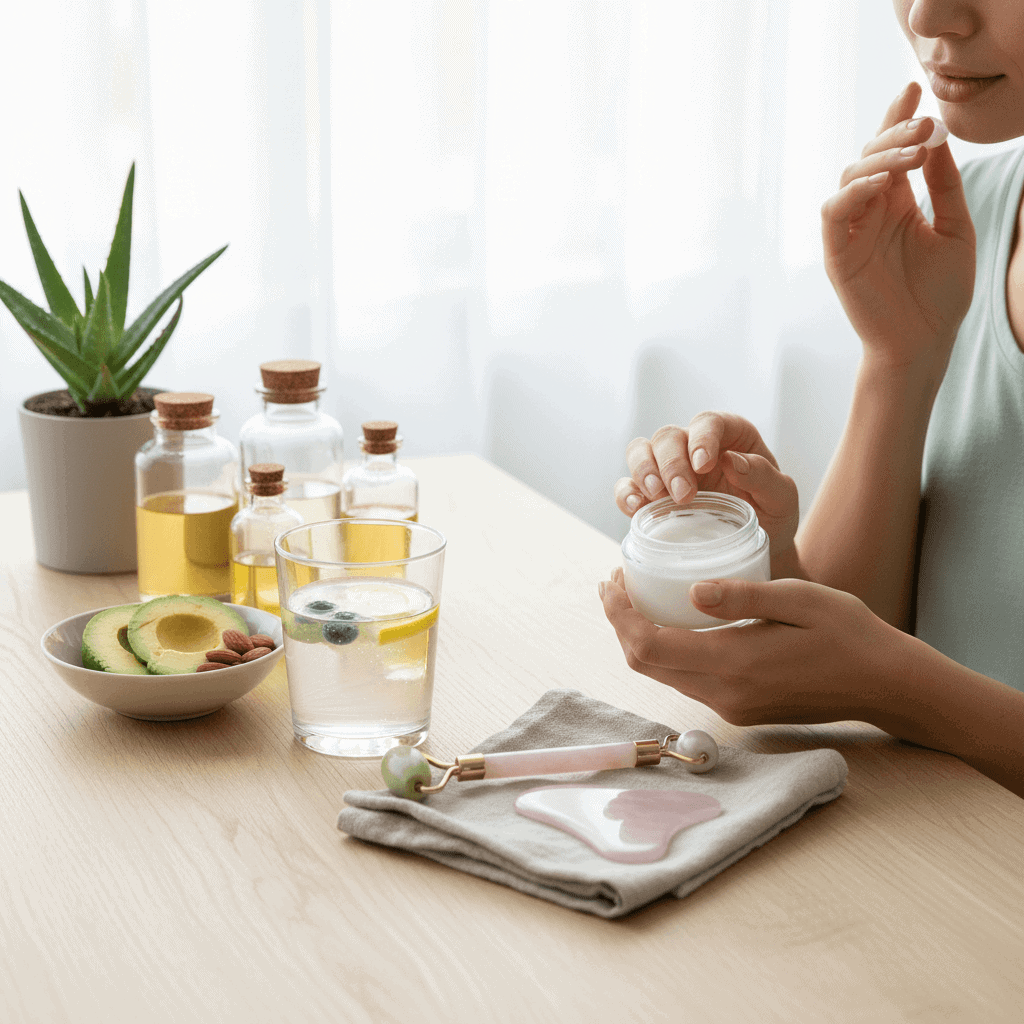
Achieving youthful looking skin is a goal many of us share. We often focus on expensive creams or treatments. However, I have learned that the real secret lies in the simple, consistent actions we take every single day. My experience has shown me that small adjustments can make a huge impact on your skin’s resilience.
Skin elasticity is about how well your skin bounces back. It determines how firm and smooth your complexion appears. When our skin loses elasticity, it can start to sag and show fine lines. This is a natural part of aging, but we can definitely slow this process down with the right habits.
I want to share some practical strategies that can help you maintain and even improve your skin’s bounce. These are not quick fixes, but rather a set of daily habits supporting skin elasticity that build up over time. They are easy to incorporate into your life.
Understanding Skin Elasticity and Why It Matters
Skin elasticity refers to your skin’s ability to stretch and then return to its original shape. Imagine pulling your skin gently and watching it snap back into place. That quick snap back means you have good skin elasticity. As we get older, this process naturally slows down.
The loss of skin elasticity is a main reason for visible aging. We see wrinkles forming and skin starting to droop. Environmental factors like sun exposure, pollution, and even our diet can speed up this decline. So understanding what contributes to elasticity is the first step.
I often explain to people that skin elasticity is not just about looking good. It also reflects the overall health of your skin’s structure. Strong, elastic skin acts as a better barrier against external damage and it recovers more quickly from stress. This foundation is very important.
The Role of Collagen and Elastin
At the core of skin elasticity are two proteins: collagen and elastin. Collagen provides strength and structure to your skin, like a scaffold. Elastin gives your skin its flexibility and ability to stretch and recoil, like a rubber band. They work together for skin health.
Our bodies naturally produce these proteins. But production slows down as we age. Things like UV radiation can also damage these proteins over time. This leads to a breakdown of the skin’s supportive network. So our goal is to support their production and protect existing stores.
Many of the daily habits I discuss here aim to boost collagen and elastin synthesis or prevent their degradation. I believe in giving your body the tools it needs to keep your skin plump and firm. These actions really add up.
Hydration: The Cornerstone of Supple Skin
Proper hydration is absolutely vital for maintaining skin elasticity. Think of your skin like a sponge. A dry sponge is brittle and hard, but a well-hydrated one is soft and pliable. Your skin needs moisture both from the inside and the outside.
When your skin cells are sufficiently hydrated, they appear plumper and smoother. This can reduce the appearance of fine lines and wrinkles. Dehydrated skin often looks dull and feels tight. It is also more prone to showing signs of aging. We really want to avoid that feeling.
I make it a personal mission to drink plenty of water throughout the day. This simple habit supports every cell in my body, including my skin cells. It is one of the easiest and most impactful changes you can make to your routine. Your skin will thank you for it.
Internal and External Hydration Methods
For internal hydration, I recommend aiming for at least eight glasses of water daily. This amount might vary based on your activity level and climate. Foods with high water content like fruits and vegetables also contribute. They are a delicious way to hydrate.
External hydration involves using topical moisturizers. Look for ingredients like hyaluronic acid and ceramides. These draw moisture into the skin and help maintain the skin barrier. I apply moisturizer twice a day, every day, morning and night. This seals in moisture.
Humidifiers in dry environments can also help keep your skin from losing moisture. Especially during winter months, I find a humidifier makes a noticeable difference. It keeps the air around you from drying out your skin too quickly. So internal and external efforts are both important.
Nourishing Your Skin From Within
What we eat has a direct impact on our skin’s health and elasticity. Your skin needs a steady supply of nutrients to repair itself and produce new collagen and elastin. A well-balanced diet is a powerful tool in your skincare arsenal. I have seen this work for many people.
Processed foods and excessive sugar can actually accelerate skin aging. They can cause inflammation that breaks down collagen. I try to limit these in my diet because I know the negative effects. Instead, I focus on whole, nutrient-dense foods.
Incorporating a variety of foods ensures you get all the vitamins and minerals your skin craves. Think of your plate as a canvas of colors. Each color represents different benefits for your body and skin. This approach makes healthy eating enjoyable and effective.
Key Nutrients for Skin Health
Vitamin C is essential for collagen synthesis. Foods like citrus fruits, berries, and bell peppers are packed with it. Antioxidants found in leafy greens, nuts, and green tea protect skin cells from damage. They fight against free radicals that harm elasticity.
Omega-3 fatty acids are also super important for skin health. They help keep skin cell membranes strong and reduce inflammation. You can find omega-3s in fatty fish like salmon, flaxseeds, and walnuts. I try to include these in my diet regularly.
Zinc is another mineral that supports skin repair and collagen production. Nuts, seeds, and legumes are good sources of zinc. Eating a diverse range of these foods gives your skin the building blocks it needs to stay firm. It really does make a difference.
Protecting Your Skin From Environmental Stressors
Environmental factors are major contributors to skin aging and loss of elasticity. The sun’s UV rays are perhaps the biggest culprit. They cause a process called photoaging, which breaks down collagen and elastin fibers. Pollution also plays a significant role.
I always emphasize the importance of consistent skin protection. It is not something you can do occasionally. It needs to be a daily habit. Protecting your skin from these external aggressors is just as important as nourishing it from within. It helps preserve all your hard work.
Lack of sleep and high stress levels can also negatively impact skin elasticity. When you are stressed, your body produces cortisol. This hormone can break down collagen. Getting enough rest allows your skin to repair itself. So a holistic approach is best.
Sun Protection and Lifestyle Choices
Wearing broad-spectrum sunscreen with an SPF of 30 or higher every day is non-negotiable. Even on cloudy days, UV rays can penetrate. I apply sunscreen as the last step in my morning skincare routine, even if I am staying indoors. This is one of the best habits supporting skin elasticity.
Seeking shade, wearing wide-brimmed hats, and protective clothing also help. Try to avoid peak sun hours. These simple actions greatly reduce your exposure. I make sure to reapply my sunscreen every two hours when I am outside. This ensures continuous protection.
Managing stress through meditation, yoga, or hobbies is beneficial. Prioritize seven to nine hours of quality sleep each night. This gives your skin time to regenerate. These lifestyle choices work together to support overall skin health. They are truly powerful habits.
Skincare Routines That Make a Difference
Beyond internal nutrition and protection, a thoughtful external skincare routine is crucial. The right products can enhance your skin’s natural ability to maintain elasticity. A consistent routine helps your skin function optimally. I have found this to be true for myself and for others.
I believe in a simple yet effective routine. It does not need to be complicated or involve dozens of products. The key is to choose ingredients known for their elasticity-boosting properties. And then use them regularly.
Cleansing, treating, and moisturizing form the foundation of any good routine. Each step plays a vital role in preparing your skin, delivering active ingredients, and locking in moisture. This layered approach helps achieve the best results.
Incorporating Targeted Ingredients
I start my routine with a gentle cleanser to remove impurities without stripping natural oils. After cleansing, I introduce active ingredients. Retinoids are excellent for encouraging cell turnover and boosting collagen production. I use them a few times a week.
Peptides are another powerful ingredient. They are amino acid chains that signal your skin to produce more collagen. Serums containing peptides can really make a difference in firmness. Vitamin C serums offer antioxidant protection and collagen support. I love how they brighten my skin.
Finally, a good moisturizer locks everything in. Look for one with humectants and emollients. They prevent moisture loss throughout the day and night. Consistent application of these ingredients helps strengthen the skin matrix. This is how we keep the bounce in our skin.
The Power of Targeted Supplements
Sometimes, our diet alone cannot provide all the necessary nutrients our skin needs. This is where targeted supplements can bridge the gap. I have seen many people benefit from adding certain supplements to their daily regimen. They can give your skin an extra boost.
Collagen supplements are very popular for skin elasticity because they provide the building blocks directly. Marine collagen specifically is known for its high bioavailability. This means your body can absorb and use it efficiently. I find it to be a valuable addition for skin support.
When considering options, it is worth exploring highly-rated choices like Best Marine Collagen supplements. Vitamin E and CoQ10 are also powerful antioxidants. They protect existing collagen and elastin from damage. I always check for quality and reputable brands when choosing supplements for myself. We want to ensure we are getting effective products.
Consistency is Key for Lasting Results
I cannot stress enough the importance of consistency when it comes to skin elasticity. You will not see significant changes overnight. Skincare is a marathon, not a sprint. Daily habits supporting skin elasticity require dedication and patience.
Small, consistent efforts will yield far better results than sporadic, intense treatments. Think of it like going to the gym. Regular workouts build muscle over time, and the same principle applies to your skin. It needs that constant attention and care.
Creating a routine that you can stick to is the most important thing. It should fit into your lifestyle and feel sustainable. Even if you miss a day, just get back on track the next. Progress is about long-term adherence, not perfection. I try to remind myself of this often.
Embracing Your Journey to Elastic Skin
I believe that taking care of your skin is a form of self-care and a journey of personal empowerment. Developing daily habits supporting skin elasticity is an investment in yourself and your long-term skin health. It is not about fighting aging but about embracing it gracefully and healthily. By prioritizing hydration, a nutrient-rich diet, consistent sun protection, and a smart skincare routine, you are giving your skin the best possible chance to remain firm and radiant. Adding targeted supplements can further enhance these efforts, providing crucial building blocks your skin needs. Remember that consistency truly is the magic ingredient here so stick with your routine even when you feel busy. Celebrate the small victories along the way and enjoy the process of nurturing your skin from within and without. You deserve to feel confident and comfortable in your skin. Start today and make these habits a lasting part of your wellness journey because your skin will reflect the care you give it over time.