
Understanding Commercial Property Foot Traffic
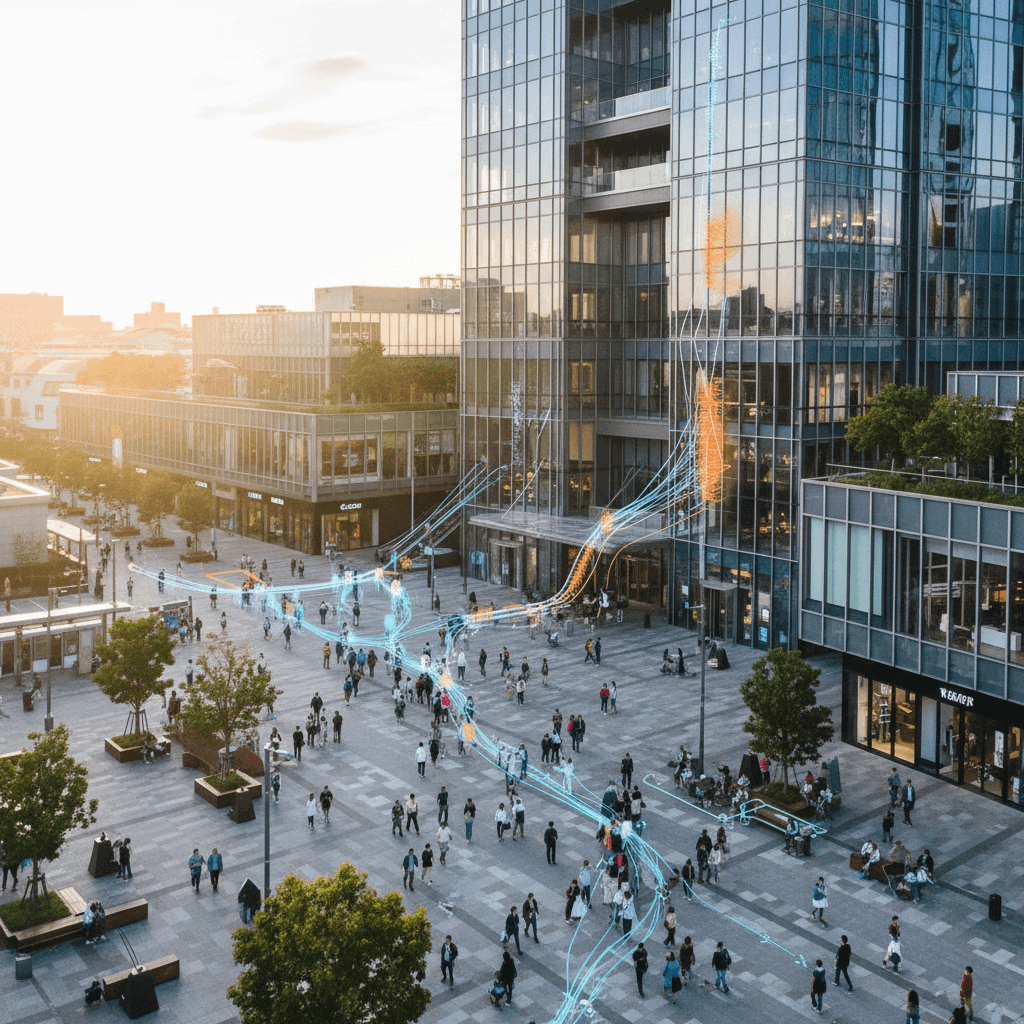
I know that for any business with a physical presence, whether it is a retail store, an office, or a service provider, one metric stands above many others for immediate impact. This metric is commercial property foot traffic. It represents the number of people who pass by or enter a commercial property over a given period.
Understanding this flow of potential customers is not just helpful, it is absolutely essential. It directly affects sales, lease rates, and overall business viability. Businesses thrive when more people come through their doors, so paying close attention to these numbers can make or break an operation.
My goal is to help you gain a clear grasp of what commercial property foot traffic really means. I want to explain why it is so important and how you can use this knowledge to make smarter decisions for your properties or your business ventures.
What is Commercial Property Foot Traffic and Why it Matters for Businesses
Commercial property foot traffic is simply the movement of people in and around a specific commercial space. This includes pedestrians on sidewalks, visitors to a shopping center, or employees and clients moving through an office building lobby. It is a fundamental indicator of a property’s exposure and its potential to attract customers.
For many businesses, foot traffic is the lifeblood of their operations. A coffee shop, for example, relies heavily on passersby looking for a quick caffeine fix. A boutique retail store needs a steady stream of window shoppers who might convert into buyers. Without adequate foot traffic, even the best products or services can struggle to find an audience.
I see foot traffic as a key predictor of success, especially in retail and hospitality sectors. High foot traffic often correlates with higher sales volumes and increased brand recognition. Property owners also benefit from this data because it helps them justify higher rents and attract premium tenants. This makes the property more valuable overall.
Beyond immediate sales, robust foot traffic can foster a vibrant business ecosystem. When a property has consistent activity, it creates a sense of community and security. This encourages more businesses to locate there, which then draws even more people. It becomes a positive cycle that boosts the entire area.
Analyzing the Dynamics of Foot Traffic
Foot traffic is not a constant number. It shifts and changes based on many factors. I always consider the time of day, the day of the week, and even the time of year when analyzing these patterns. A downtown office building will see peak traffic during morning commutes, lunch breaks, and evening rush hours. A retail center might be busiest on weekends.
Understanding these rhythms is crucial for businesses to optimize staffing, inventory, and marketing efforts. If a store knows its busiest hours, it can ensure enough staff are available. It can also schedule promotions when they are most likely to be seen by the largest number of people. We look at these patterns to advise clients on prime operating hours.
Demographics also play a huge role. The type of people passing by a property can tell a lot about the potential customer base. Are they students, working professionals, families, or tourists? Each group has different needs and spending habits. Matching your business to the predominant demographic of your foot traffic is a smart move.
External factors, like nearby public transportation hubs, major tourist attractions, or even local events such as festivals, can significantly boost foot traffic. Knowing these external influences helps businesses predict surges and plan accordingly. It also offers opportunities for targeted marketing to capitalize on temporary increases in visitors.
The Rhythm of Daily and Weekly Patterns
Every location has its own unique heartbeat when it comes to foot traffic. I often observe that weekday mornings bring a rush of commuters to business districts, perfect for quick-service restaurants or coffee shops. Midday sees office workers seeking lunch options and running errands. Evenings can draw diners and entertainment seekers.
On weekends, the dynamic often flips. Shopping malls and entertainment venues tend to see their highest numbers. We help businesses map these daily and weekly fluctuations. This allows them to adjust their operations, from opening hours to employee schedules, ensuring they are always ready for their peak customer periods.
Seasonal Shifts and Special Events
Seasonal changes have a clear impact on foot traffic. A coastal town experiences high traffic during summer months but much less in winter. Holidays like Christmas or Black Friday bring massive surges to retail areas. I always advise businesses to factor these cycles into their annual planning.
Special events such as concerts, sporting events, or local markets can also create temporary but substantial increases in foot traffic. Collaborating with event organizers or running promotions tied to these events can be very effective. It means capturing a larger audience that might not otherwise visit.
Tools and Technologies for Measuring Foot Traffic
Measuring foot traffic has come a long way from simply standing outside with a clicker. While manual counts can still provide basic insights, modern technology offers a far more accurate and detailed picture. I find these advanced tools to be invaluable for precise analysis.
Early technologies included simple door counters or pressure plates, which gave a basic tally. Today, we use much more sophisticated systems. Wi-Fi tracking, for instance, detects mobile devices as they pass by or enter a property. This provides anonymous data on movement patterns and dwell times.
Lidar technology and advanced security cameras can map human movement with high precision. They can differentiate between individuals and even track their paths within a space. This data helps us understand bottlenecks and popular zones inside a store or property. Mobile data, aggregated from smartphone apps and carriers, offers insights into larger population movements.
The biggest benefit of these technologies is the granularity of the data. We can see not just how many people are present, but also how long they stay, where they go, and even if they are repeat visitors. This depth of information allows for highly targeted strategies. I use these tools to show clients concrete evidence of traffic patterns, helping them justify strategic decisions.
Strategic Placement and Optimization
Strategic placement is a critical decision influenced by foot traffic. For a new business, choosing the right location is paramount. High foot traffic areas often mean higher visibility and more spontaneous purchases. I always guide clients to analyze traffic data before signing a lease.
For existing properties, optimizing the layout and tenant mix can significantly improve overall foot traffic and revenue. Placing complementary businesses close to each other, like a coffee shop next to a bookstore, creates a synergistic effect. It encourages people to visit both.
Visibility and storefront appeal are also major factors. A clean, inviting storefront with clear signage is more likely to draw people in. Even small details, like attractive window displays, can increase the number of people who choose to enter your business. I stress that first impressions really do matter.
Understanding where people naturally congregate or where bottlenecks occur within a property can also inform the placement of amenities or special attractions. For example, knowing peak traffic areas can help identify prime spots for passive income opportunities. Many businesses thrive by offering conveniences where people are already pausing. This is why carefully chosen vending machine locations can generate consistent revenue with minimal oversight. Analyzing foot traffic helps determine the best spots for these installations.
Choosing the Right Spot
Selecting a business location is much more than just finding an empty space. It involves detailed research into the surrounding environment and the typical movement of people. I always emphasize considering both the quantity and quality of foot traffic. A high number of people is great, but they also need to be your target demographic.
I also look at factors like ease of access, parking availability, and proximity to other businesses. These elements combine to create a location’s true foot traffic potential. A well-chosen location can give a business a significant advantage from day one.
Enhancing Property Layout for Flow
Even after a location is chosen, property owners and managers can optimize their space to improve foot traffic flow. This might involve wider aisles in a retail store or clear pathways in a shopping center. The goal is to make it easy and pleasant for people to move through the space.
I often work with clients to rethink their internal layouts to guide customers towards all areas of their business. Effective signage, appealing displays, and even comfortable seating can encourage longer visits and more exploration. Good design directly supports better traffic.
Boosting Foot Traffic Through Engagement and Experience
Attracting people to a commercial property is only the first step. Keeping them engaged and encouraging them to return relies heavily on the overall experience. I find that creating an inviting atmosphere is key to transforming casual passersby into loyal customers.
This starts with the physical environment. A clean, well-maintained space with pleasant aesthetics makes a positive impression. But it goes deeper than that. Friendly staff, efficient service, and a memorable product or service all contribute to a positive experience. People remember how a place makes them feel.
Marketing strategies can also play a vital role in drawing people in. Local advertising, social media campaigns, and partnerships with nearby businesses can all increase awareness and encourage visits. Offering special promotions or events can provide an extra incentive for people to make a trip. I see many successful businesses constantly innovating their engagement.
Community involvement is another powerful way to boost foot traffic. Hosting local events, supporting charitable causes, or participating in neighborhood initiatives can build goodwill and draw crowds. When a business becomes a hub for community activity, it naturally increases its appeal and the number of visitors it receives. I believe that integrating with the local community creates a strong foundation.
Conclusion: Harnessing Foot Traffic for Lasting Success
Understanding commercial property foot traffic is truly a cornerstone of effective business and real estate strategy. It is not just about counting heads. It is about deeply analyzing patterns, understanding demographics, and using advanced tools to gain insights into customer behavior. I have seen firsthand how businesses that prioritize foot traffic analysis consistently make more informed decisions about everything from site selection to marketing efforts. They can adapt quicker to market changes and identify new opportunities before their competitors do.
We live in an age where data is power, and foot traffic data is no exception. Leveraging modern technologies for accurate measurement provides a significant competitive advantage. It allows property owners and businesses to optimize their spaces for maximum engagement and profitability. Ignoring these crucial insights means leaving potential revenue on the table and risking being outmaneuvered by others who are paying attention.
I encourage every property owner and business manager to make foot traffic analysis a central part of their operational strategy. Start by understanding your current traffic patterns. Then explore the many tools available to gather more detailed data. Use these insights to proactively enhance your property’s appeal, draw in more customers, and create a truly thriving commercial environment. The future of commercial success depends on it.